Engaging in an online project necessitates effective collaboration, meticulous service evaluation, and adept task management to optimize productivity. It is fortunate that a plethora of tools exist to facilitate these endeavors in the digital realm. However, given the vast array of options, selecting the most suitable tool can be a daunting task.
Upon comprehensive research, I have curated a list of essential tools and services tailored for designers and developers. This compilation encompasses WordPress themes, sophisticated website builders, rigorous testing services, invoicing solutions, and more.
Let’s take a look.
Read Also: 10 Best Project Management Software for Remote Teams
ClickUp – Comprehensive project management.

ClickUp is a comprehensive tool designed to simplify your project management tasks. Its user-friendly interface and diverse features ensure a smooth experience for daily operations. Here are some highlights:
- Break down tasks, link them, automate processes, and use tags with over 30 ClickApps.
- Integrate with over 100 other apps, bringing all your preferred tools under one roof.
- Collaborate with your team using interactive whiteboards.
- Organize your projects efficiently with the Kanban board.
While you can access basic ClickUp features for free indefinitely, there are premium options ranging from $5 to $19 monthly for added functionalities and larger teams. It’s compatible with Windows, macOS, Linux, and has extensions for Chrome, email, as well as mobile apps for Android and iOS.
Read Also: 9 Tools Every Project Manager Should Know
ListingPro – Directory website builder.

ListingPro is a trusted tool, with users spanning over 170 countries. It’s a top pick for entrepreneurs, web designers, and developers alike. Here’s why many, including myself, appreciate it:
- Basic features are ready to use without the need for extra plugins.
- Building a directory website similar to Yelp, FourSquare, or Zomato is straightforward, even without prior experience or coding knowledge.
- Quick installation and demo import make setting up a breeze.
The standard license costs $69. This includes six months of technical support, hassle-free setup guidance, a 1-Click demo import, ongoing free updates, and comprehensive step-by-step documentation.
Read Also: 10 Free Platforms to Build Websites and Landing Pages
Userfeel – Website usability testing.

Userfeel offers an efficient way to conduct website usability tests without breaking the bank. Their diverse panel boasts over 20,000 testers fluent in 40 languages. This means you can receive feedback in your preferred language, even if the website being tested is in a different one.
Here’s how it works: You “employ” testers to navigate your website. Within a day, you’ll receive a video capturing their user experience. To ensure relevant feedback, you can select testers based on demographics like age, nationality, language, and web proficiency.
Additionally, Userfeel lets you compile highlight videos pinpointing key issues. These videos can be saved locally or uploaded discreetly to YouTube for easy sharing. The pricing is straightforward: $49 for desktop tests and $99 for mobile/tablet evaluations, with no recurring fees.
DealJumbo – Design bundles marketplace.

DealJumbo is a treasure trove for design enthusiasts, offering a wide array of design bundles. Some of these bundles are exclusive to DealJumbo, thanks to their unique partnerships. From premium fonts and graphics to mock-ups, discounted items, and even products priced under $10, there’s something for everyone.
What’s more, the items come with an extended license, allowing unlimited use for commercial projects. And if you’re on the lookout for freebies, DealJumbo has you covered with over 1580 free fonts and graphics, all available with a standard commercial license.
Brizy – WordPress page builder.

Brizy stands out as a top-tier WordPress page builder, enabling users to craft stunning websites effortlessly. With over 150 ready-to-use design blocks at your disposal, you can either customize them or start from scratch. The best part? No coding expertise is needed.
You can give Brizy a spin for free on their website. Any designs you create can be saved as HTML and used wherever you like, be it personal or business projects. Many, including myself, find the outcomes to be on par with premium WordPress themes.
Deeezy – Design deals website.
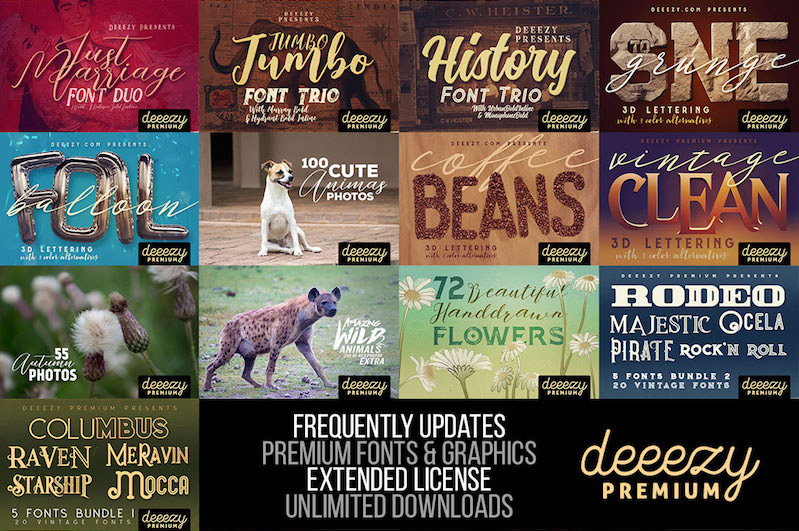
Deeezy is a hub for design deals, catering to web professionals. Here, you can discover both free and premium design elements like fonts, graphics, and vectors at a fraction of their usual price. It’s a great resource for unique assets to elevate your projects.
actiTIME – Online project time tracker.

actiTIME is a renowned online tool for project time tracking. It offers features like time logging, leave registration, and weekly timesheet comments. The interface is customizable, allowing users to tailor the tool to their preferences and hide unused features. A demo is available for those interested in exploring its capabilities.
Read Also: 15 Best Time Tracking Apps
Notism – Visual content collaboration.

Notism is a collaborative platform designed for seamless discussions on visual content. It allows teams and stakeholders to comment and sketch in real-time, create prototypes, conduct usability tests, and manage project tasks. Its versatility makes it a time-saving asset for various work domains within organizations.
Goodie Website – Web development service.

Goodie offers a web development service that promises high-quality websites at a starting price of $999. This cost covers the creation of a basic, responsive, and functional site. Additional features, such as custom plugins or animations, are priced separately. If design services are also on your list, Goodie has got you covered. You can explore their portfolio to gauge their expertise and creativity.
Read Also: 5 Best Web Design Agencies to Hire
Codester – Web design marketplace.

Codester is a marketplace tailored for web designers and developers. It’s a place where one can purchase or sell items like PHP scripts, website themes, plugins, graphics, and more. Don’t forget to peek at the Flash Sale section, where you can find valuable resources at significant discounts.
Designhooks – Free web design resources.

Designhooks is a meticulously organized website brimming with free resources tailored for web designers and developers. All the materials are hand-selected from talented designers globally and are neatly categorized, ensuring you find what you need with ease.
Uncode – Flexible WordPress theme.

Uncode is a pristine WordPress theme designed for effortless customization without any coding. It stands out for its adaptability, boasting 50 ready-to-use Concepts and over 200 layouts. With Uncode, your creativity sets the boundaries.
Pixpa – Portfolio website builder.
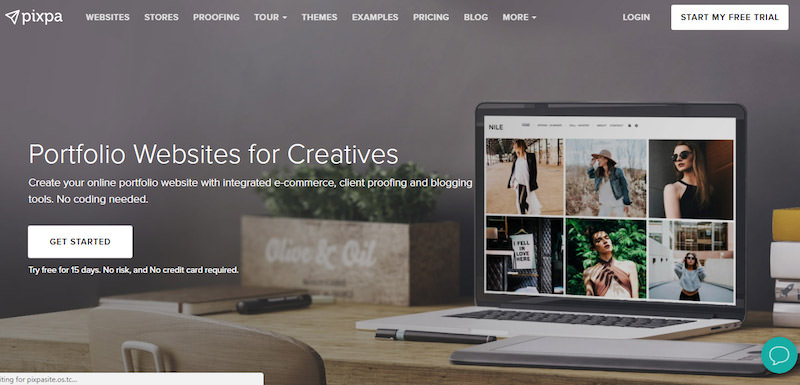
Pixpa offers a robust drag-and-drop builder, enabling users to craft a beautiful portfolio website. This platform integrates e-commerce, client proofing, and blogging functionalities. Even without prior experience or coding knowledge, Pixpa is user-friendly and comprehensive. You can explore its features with a 15-day free trial, no credit card required.
Format – Free website template.
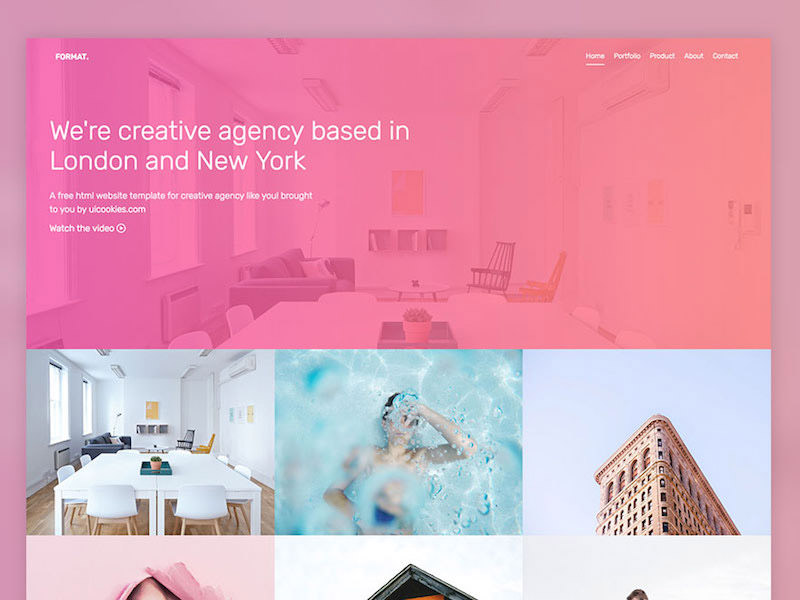
Format offers a stunning free website template, making it an ideal choice for designers, agencies, web studios, and freelancers seeking a professional online presence.
ContentSnare – Content collection tool.

ContentSnare streamlines the process of gathering content from clients, eliminating the usual challenges. While it’s primarily designed for web designers, it’s versatile enough for various professionals, including bookkeepers, digital marketers, coaches, and engineers.
uSocial – Social media buttons creator.

uSocial offers stylish “Like” and “Share” buttons that are adaptable to all devices. With a user-friendly builder, you can integrate these buttons onto your website in just a few minutes. The platform supports various social media platforms, including Facebook, X, and LinkedIn. Plus, you can monitor engagement with its statistics and share counter tools.
Instant Logo Design – Quick logo creation.

When you’re pressed for time and on a budget but need a captivating logo, Instant Logo Design has got you covered. This easy-to-use platform can produce a quality logo in under a minute, with prices starting at just $29.
Read Also: 10+ Free Logo Makers and Logo Generators (Best of)
uCalc – Online calculator templates.

uCalc.pro provides a range of online calculator templates suitable for various websites, from construction services to restaurants. With its intuitive builder, you can design a calculator without any coding knowledge. Additionally, the calculator can gather contact information, send email notifications, and even generate PayPal invoices.
Inkydeals – Discounted design deals.

Inkydeals offers a wide range of digital design deals at significant discounts for web professionals. Whether you’re a beginner or an experienced designer, you’ll find top-notch resources at unbeatable prices on their platform.
Crello – Visual design tool.

Crello is a user-friendly design tool tailored for creating eye-catching visuals. It’s suitable for both novices and seasoned designers. Designed with marketers, entrepreneurs, bloggers, and social media experts in mind, Crello offers over 12,000 free templates and a vast collection of over 60 million stock photos.
MailMunch – Email list growth tool.

MailMunch is a trusted tool used by over 50,000 websites to enhance lead generation and growth. It offers a versatile approach to capturing leads by providing various opt-in forms, including popups, embedded forms, top bars, and slide boxes. While there’s a free version available, premium plans with advanced features start at $15 per month.
Elementor – WordPress page builder.

Elementor is a robust WordPress page builder that empowers over 900,000 users to craft beautiful websites. With its intuitive, real-time interface, users can seamlessly design and elevate their web presence without any hassle.
Controlio – PC activity monitor.

Controlio offers a comprehensive solution for businesses of all sizes to monitor their employees’ computer activities remotely. It allows managers to view an employee’s desktop, determine their availability, and track the applications and websites they access. With its versatile monitoring capabilities, Controlio can be adapted to various usage scenarios.